Color Drenching vs Color Capping: Which Paint Trend Is Right for Your Space?
If you’ve been paying attention to interior design lately, you’ve probably noticed rooms that feel incredibly intentional—rich, layered, and thoughtfully styled from top to bottom. Two paint techniques are leading that charge: color drenching and color capping. While they’re often mentioned together, they deliver very different moods. Let’s break them down so you can decide which one suits your space (and your personality) best.
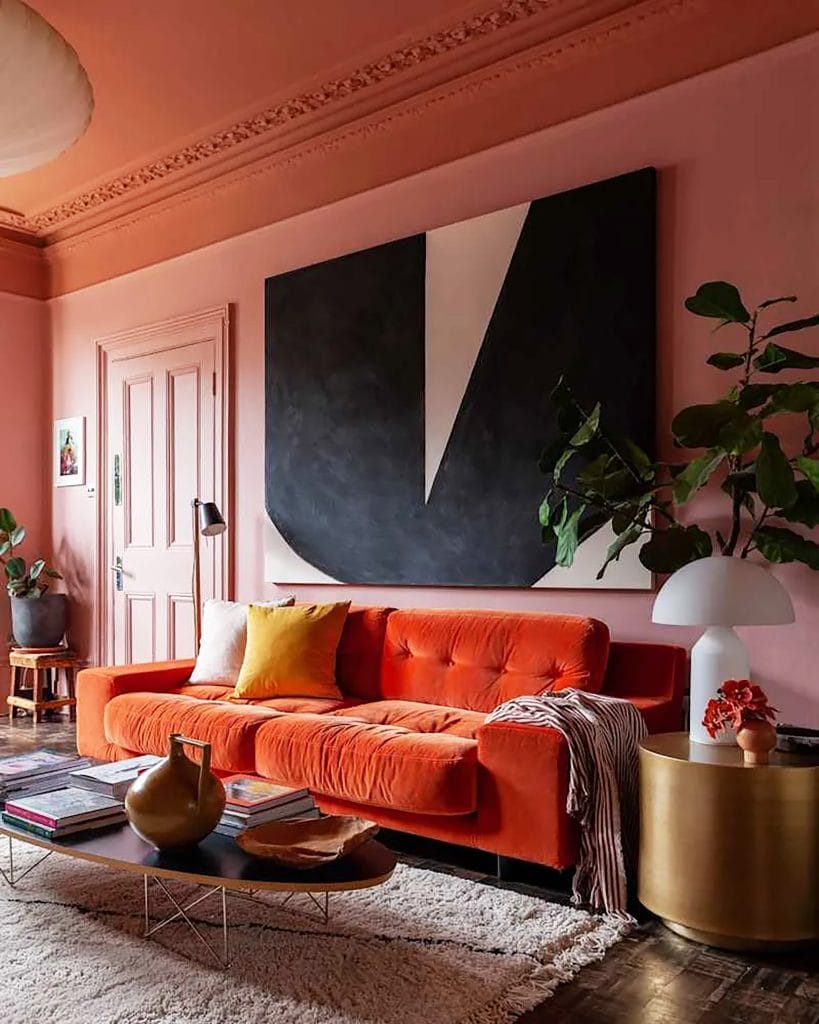
What Is Color Capping?
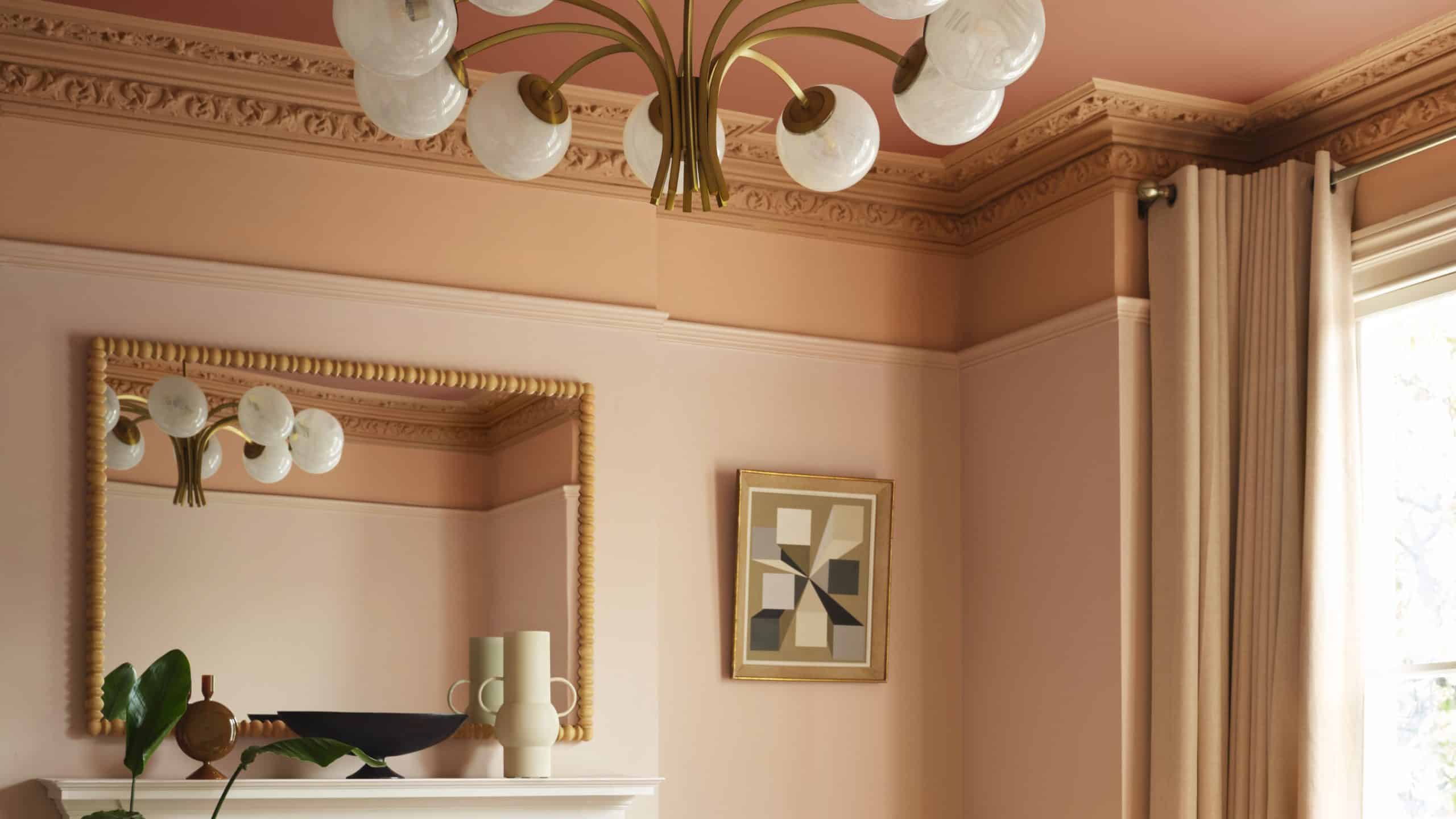
Think of color capping as a tonal, layered approach to paint—refined, elegant, and surprisingly easy to live with. Instead of committing to one shade everywhere, this method plays with related tones of the same hue.
How Color Capping Works
You start with a lighter tone on the walls, move into a mid-tone on trim or cornicing, and finish with a deeper, moodier version on the ceiling. The effect feels soft and elevated, like a perfectly styled outfit made up of similar shades rather than exact matches.
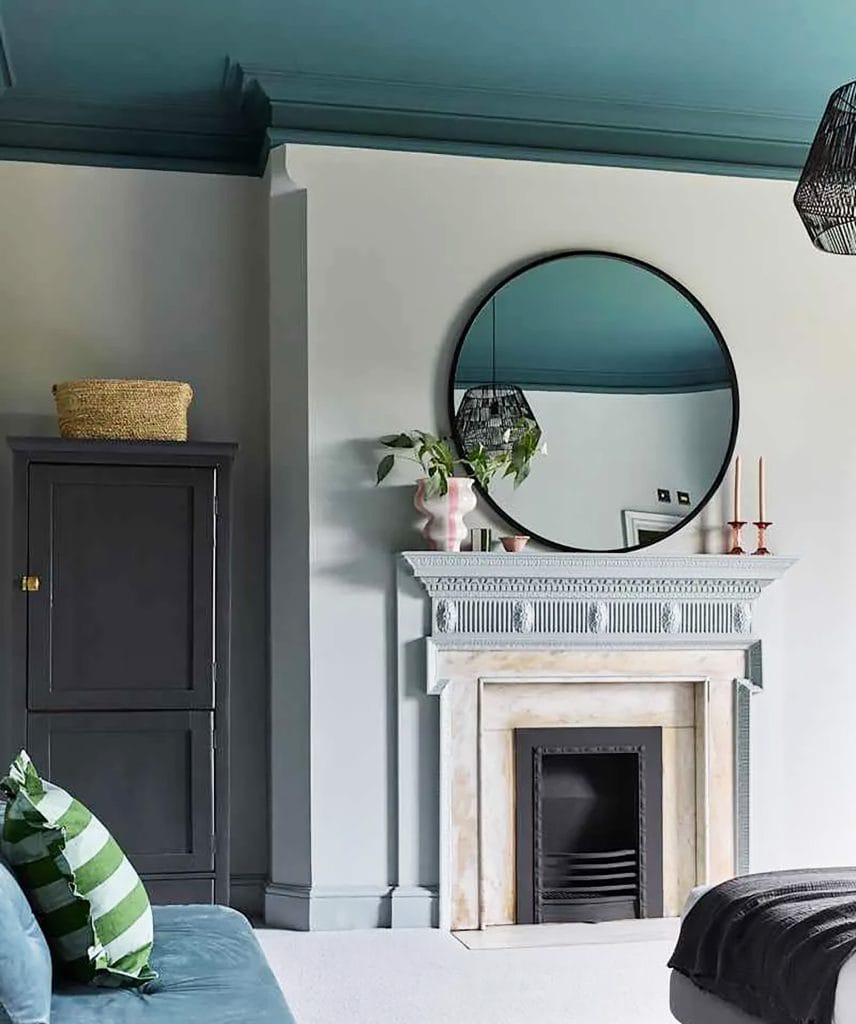
Why Designers Love It
Color capping adds depth and interest without overwhelming the room. It doesn’t require ornate plasterwork, dramatic ceiling heights, or bold design confidence—just a willingness to experiment with tonal layering. The result is subtle, sophisticated, and quietly stylish.
What Is Color Drenching?
If color capping is understated elegance, color drenching is its bold, dramatic cousin. This approach is all about full commitment.
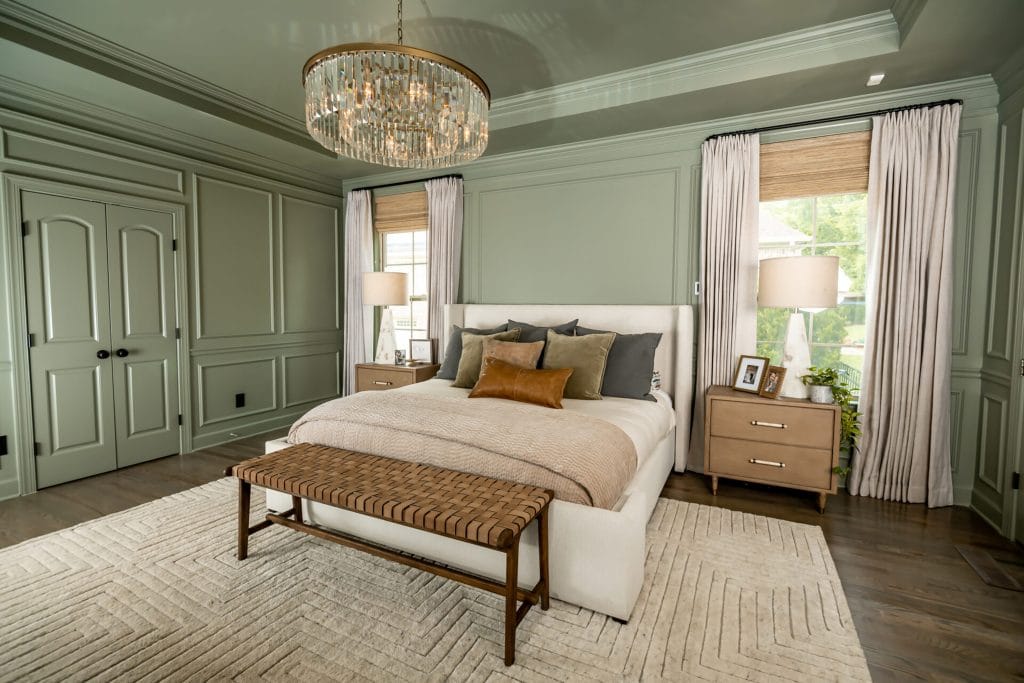
The All-In Paint Moment
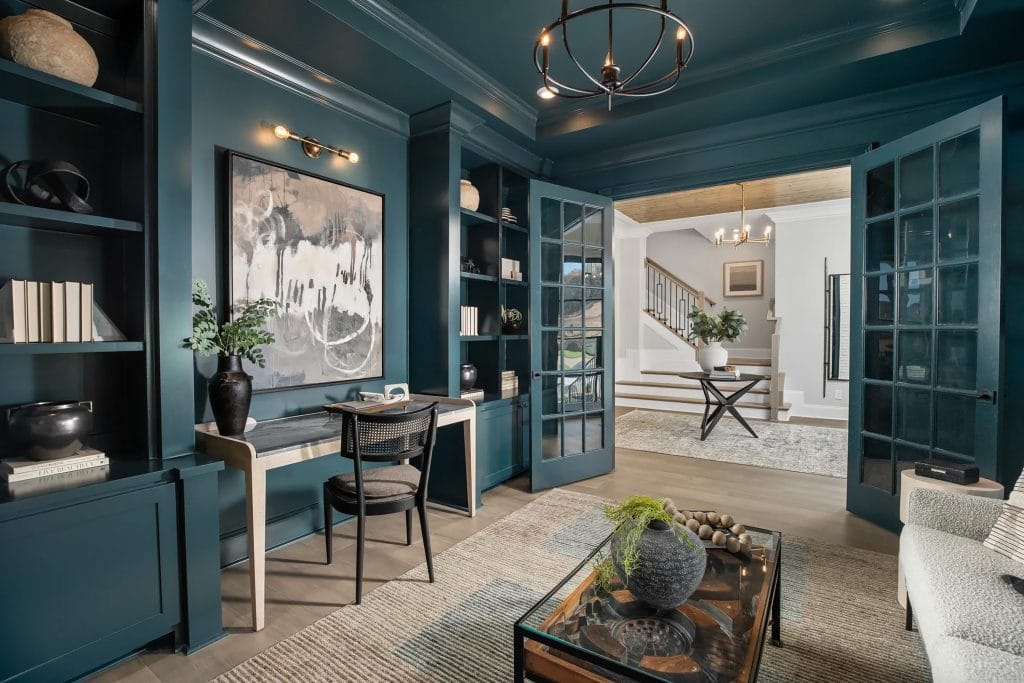
With color drenching, walls, ceilings, trim, and doors are all painted the same shade (or extremely close variations). There are no contrasts to break up the space, which creates a seamless, wraparound effect.
When It Works Best
In smaller or moodier rooms, color drenching can feel cozy and cocoon-like, wrapping the space in atmosphere. In larger rooms, it makes a strong statement—but you really need to love the color, because it’s everywhere. It’s high impact, unapologetic, and definitely not playing it safe.
Color Capping vs Color Drenching: The Quick Breakdown
- Color capping = a tonal, layered look that feels elegant and approachable
- Color drenching = a bold, monochromatic statement with maximum impact
Both techniques are beautiful—it really comes down to how much drama you want to live with day to day.
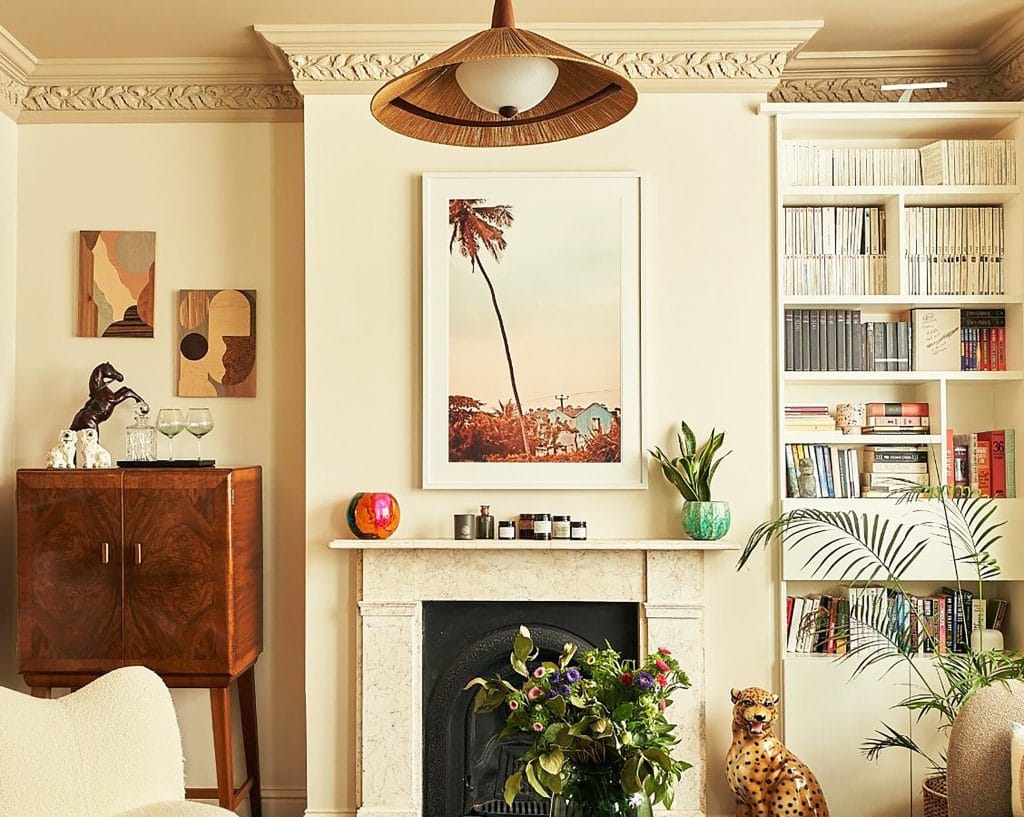
Why Color Capping Is the Easier Trend to Try
Not living in a grand space with elaborate detailing? No problem. Color capping works beautifully in everyday homes. As long as you have walls, a ceiling, and some form of trim or architectural detail, you can make it work.
The key is keeping your tones related so the room feels cohesive. Done well, the whole space feels intentional and thoughtfully designed—without the intensity of full drenching.
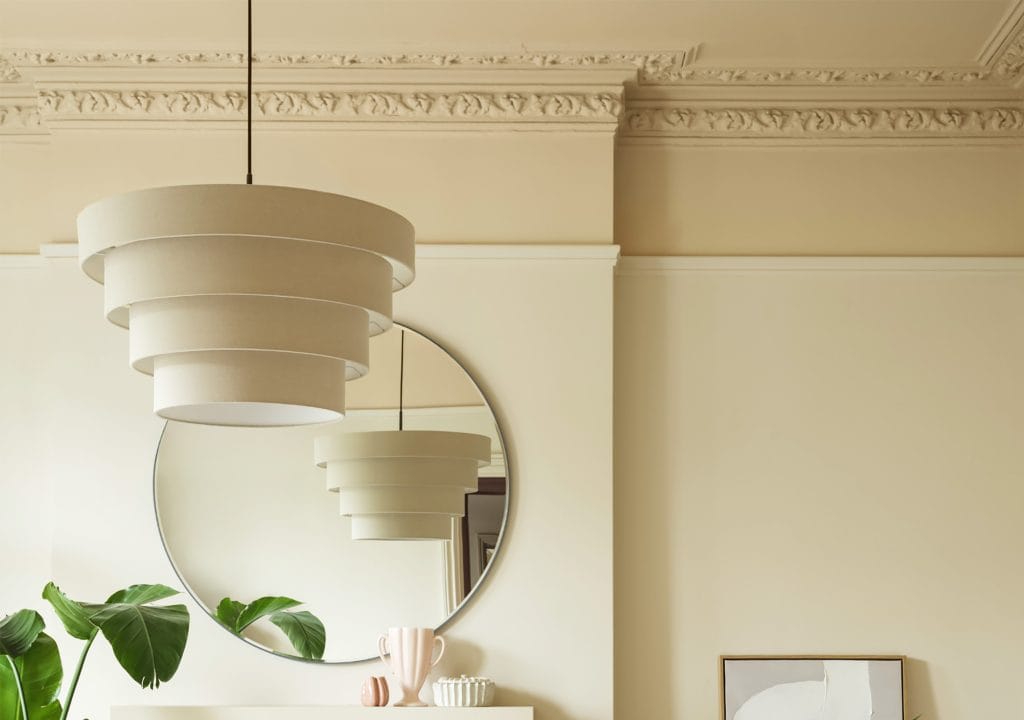
Another bonus? Color capping works just as well with softer palettes. Lighter tonal combinations can create an airy, gallery-like feel that makes a room feel calm, cohesive, and quietly elevated.
The Verdict: Which One Should You Choose?
If you love drama and aren’t afraid to commit, color drenching delivers a powerful, immersive look. But if you’re craving something stylish, flexible, and a little more forgiving, color capping may be your perfect match.
In short, color capping is the trend that proves you don’t need over-the-top features—or fearless design confidence—to make a room feel beautifully intentional. Sometimes, a little color layering (from the top down) goes a very long way.