

Asbestos Snow & Lead Tinsel: Vintage Christmas Decor Exposed!
When Christmas Was Toxic

Hazmat Holiday Cheer: Asbestos Snow
Once upon a time—specifically from the late 1920s through the 1960s—families achieved that picture-perfect, snow-dusted Christmas look with a product we now associate with warning labels and hazmat suits: asbestos.
Yes, really.
That fluffy, shimmering “snow” clinging to Grandma’s tree branches? It wasn’t polyester, foam, batting, or anything you’d casually toss into a shopping cart today. It was fireproof, feather-light asbestos! Marketed as a modern miracle and shaken generously over mantels, trees, wreaths, tabletops—anywhere a little extra “winter magic” was desired. Safe, festive, and cutting-edge… or so everyone thought.
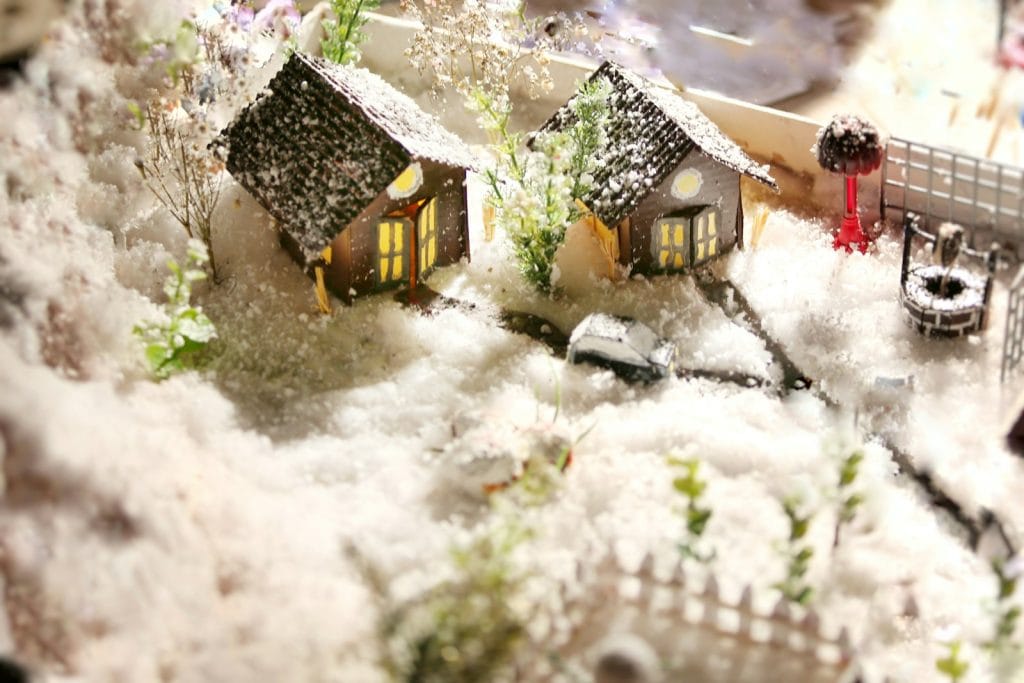
Why asbestos?
Because Christmas trees dried out fast, and when paired with primitive wiring and hot bulbs, they were basically decorative tinderboxes. Enter asbestos snow—boldly marketed as safe, modern, and amazingly realistic. It didn’t burn, didn’t melt, and looked beautifully convincing. So families felt reassured dusting it over their homes with joyful abandon, turning mantels, trees, wreaths, and tabletops into glittering winter scenes. Its versatile texture (cloud form or sprinkle) was irresistible to homemakers, decorators, and department-store window dressers alike—who could say no to snow that promised sparkle and safety?

And Hollywood? They were completely smitten. Asbestos was the ultimate movie snow: dramatic, fireproof, reusable, and camera-ready. That dreamy snowfall in the iconic poppy field scene in The Wizard of Oz? Yep—pure chrysotile asbestos raining down on Dorothy and friends. And in It’s a Wonderful Life, stagehands relied on special asbestos mixtures to “dress” the town for its many beloved winter scenes. Movie magic at its finest… with a side of industrial hazards!
Today’s fake snow is foam or plastic—harmless, lightweight, and blissfully absent from OSHA manuals. Which makes it all the more astonishing that Christmas décor once involved enthusiastically dusting our homes with toxic-grade mineral fibers.
The Shimmer on the Tree? Lead Tinsel, Of Course.

Lead Tinsel: Vintage Holiday Danger Unwrapped
If the asbestos snow didn’t make you ill, the tinsel was quietly doing its own toxic work. From the 1930s through the late 1960s, those iconic, heavy, beautifully draping silver tinsel “icicles” used by homemakers were often made from a lead alloy foil coated with tin. That weighty, elegant look everyone loved? Yep—it was lead. Draped over trees, mantels, and doorways, it was the finishing touch of mid-century holiday glamour.

And while lead tinsel sparkled on trees at home, it truly shined in department store display windows. Window dressers adored it—its weight gave it a perfect drape, it didn’t cling or float under hot lights, and it stayed exactly where it was styled. Instead of misbehaving like early plastics, lead tinsel performed beautifully season after season. The catch? Store staff handled it constantly—cutting, shaping, reusing it (and even ironing it!)—often with bare hands and no ventilation. Shoppers admired the magic from behind glass, while the people building the wonderland quietly marinated in lead dust. Festive? Absolutely. Safe? Not so much.


Lead Tinsel: Its Shiny Rise and Deadly Fall
Lead tinsel stayed popular for decades because it hung perfectly and didn’t cling like today’s static-prone PVC versions. But by the early 1970s, concerns about lead exposure finally caught up. Manufacturers and importers voluntarily stopped selling lead tinsel after January 1, 1972.
Vintage collectors today can still spot (and sometimes find) the real stuff—soft, bendy, and noticeably heavier. Lovely to look at, but definitely not something you want kids or pets around.
From Asbestos Snow to LED Lights: A Safer Holiday Season
So let’s put a bow on it:
Your elders dusted their living rooms with asbestos snow. They crowned their trees with shimmering strands of lead tinsel. And somehow, they survived long enough to warn us about glitter!
Thankfully, modern holiday décor—foam snow, white batting, plastic icicles, and cool-touch LED lights—may be a little synthetic and wildly static-prone, but at least it doesn’t come with a Material Hazard Data Sheet.

So as you decorate this season, soak up the sparkle, enjoy the nostalgia, and appreciate that today’s winter wonderland is designed for joy—not industrial resilience. Here’s to cinnamon-scented air, twinkling lights, and holiday magic that’s festive… not flammable, toxic, or historically alarming. Cheers!


