Lighting for Living Room Atmosphere: A Winter Design Guide
Winter brings early sunsets, longer evenings, and a natural shift inward. As daylight fades, lighting for the living room (and honestly, every room) becomes one of the most powerful tools we have to shape how a space feels. Lighting isn’t just about seeing anymore—it’s about atmosphere, emotion, and creating a home that supports you through the darker winter months.
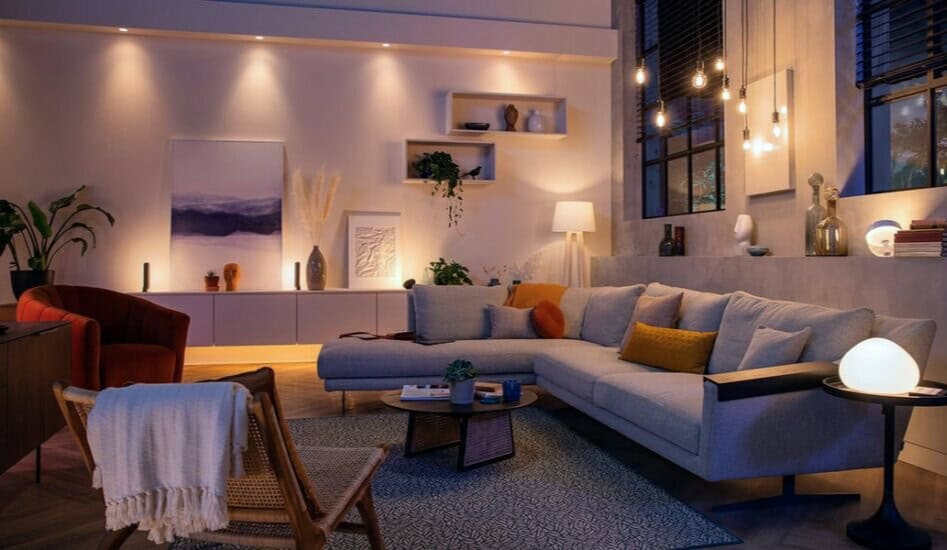
This is where seasonal design really shines—literally. When done well, lighting for living room spaces can make a home feel calm, layered, and intentional rather than dim and dull. The goal isn’t brightness; it’s glow.
Why Winter Home Lighting Inspiration Matters More Than Ever
During winter, many homes lean heavily on overhead lighting out of necessity, but that approach often flattens a space. A single ceiling fixture can feel harsh and uninviting once natural light disappears early in the day. Thoughtful home lighting design shifts the focus from pure function to mood, comfort, and how you want to experience your living room after dark.
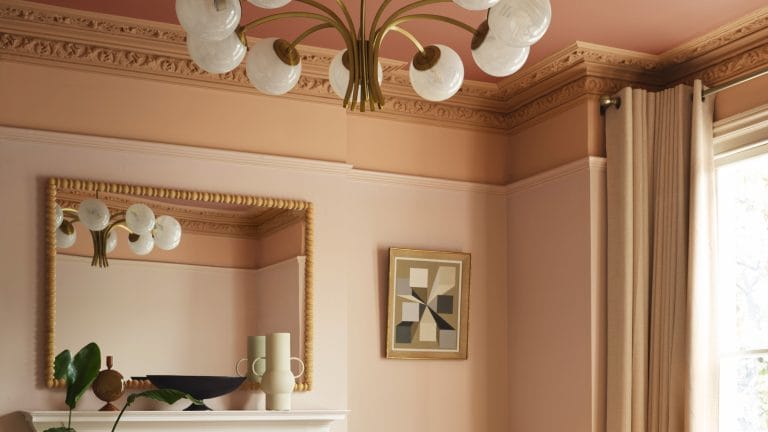
DESIGN HACK - Add a mirror to reflect light already present in the room.
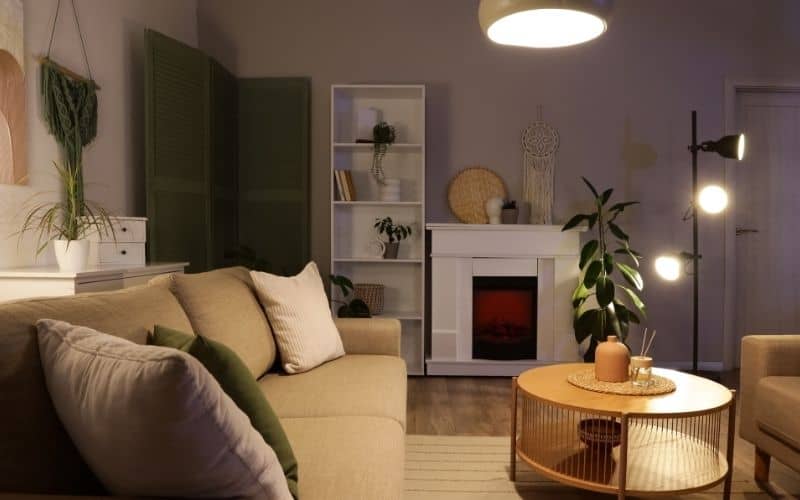
Harsh spot lights & overhead lighting cause an uninviting space.
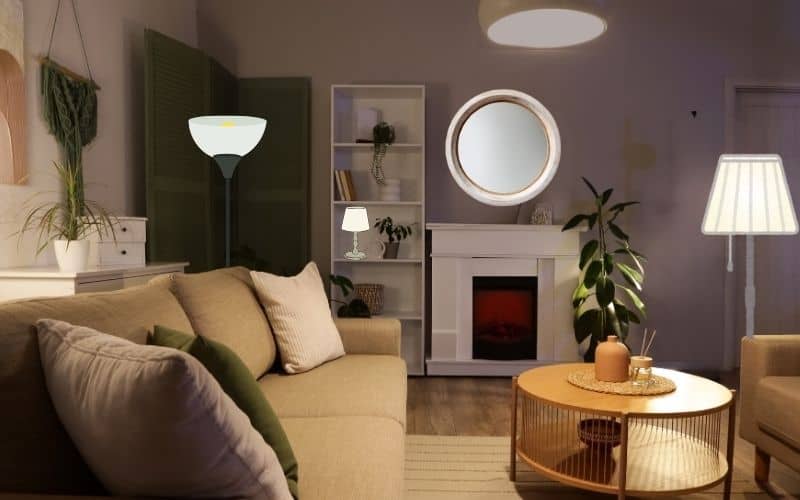
Winter lighting should feel supportive, not sterile. It’s the difference between a living room you pass through and one you actually want to linger in. And that shift starts with intention.
Cozy Lighting Ideas for Living Room Spaces in Winter
Layered Lighting Creates Depth and Warmth
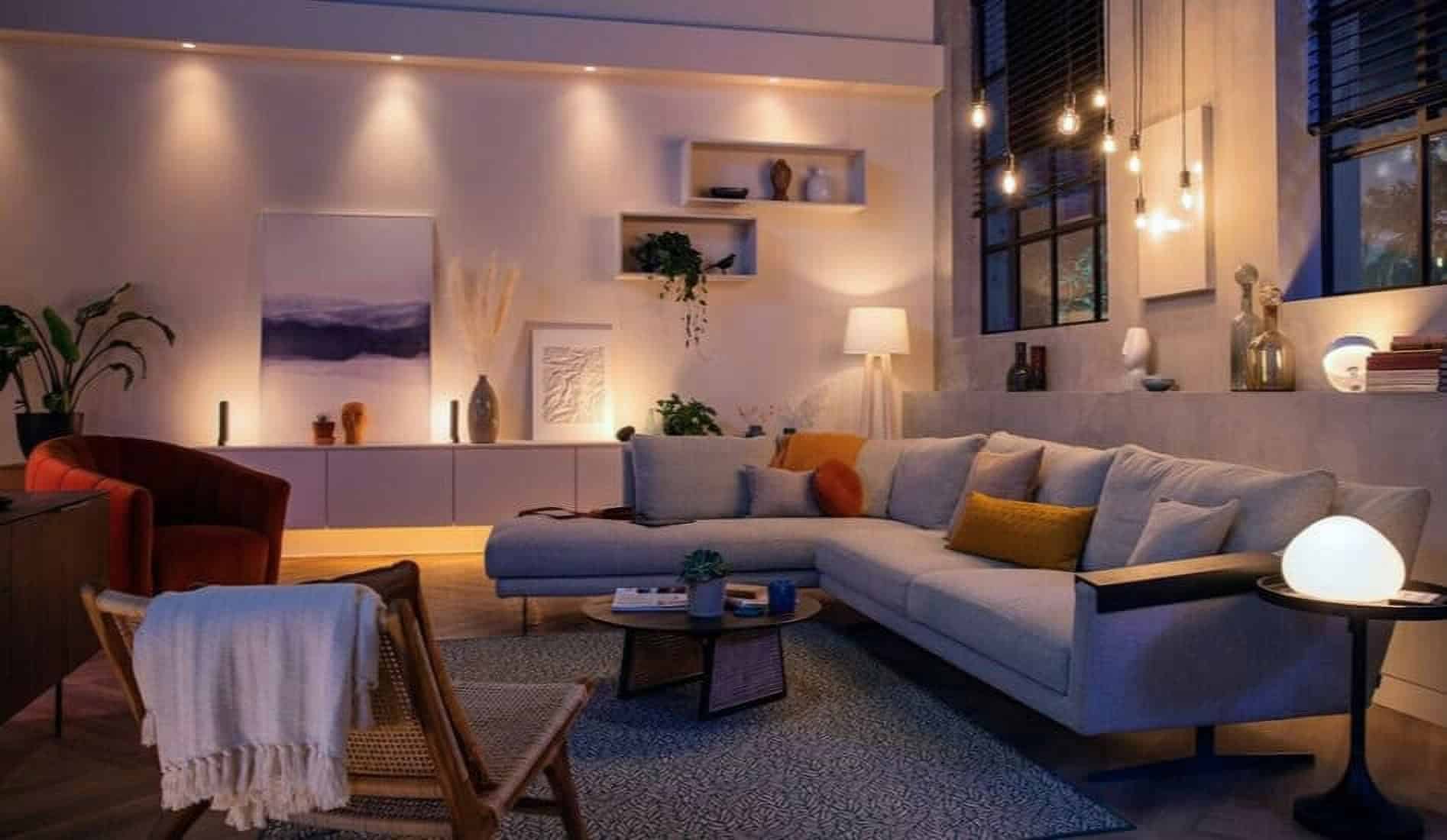
One of the most effective ambient lighting ideas for living room design (especially in the winter) is layering light at different heights throughout the space. Floor lamps, table lamps, sconces, and accent lighting work together to create depth and visual rhythm. This layered approach softens edges, adds dimension, and makes a living room feel styled rather than simply illuminated.
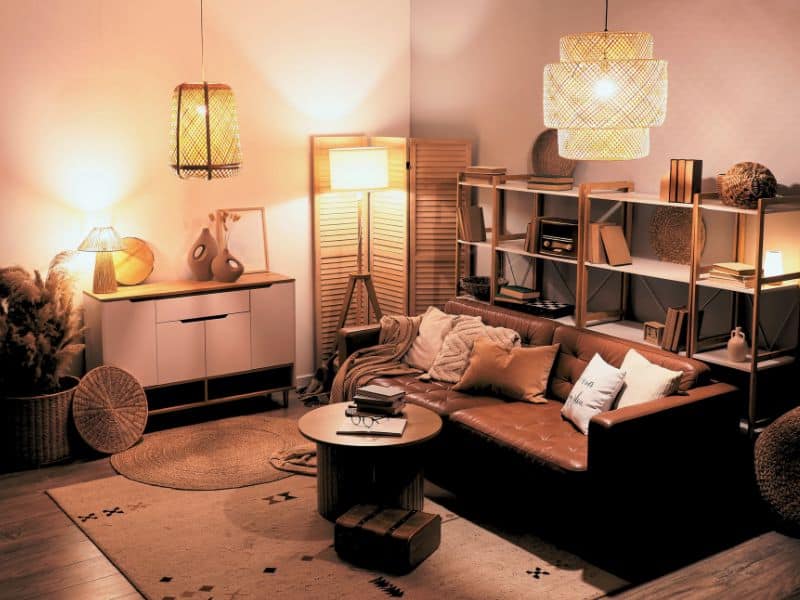
Think of it like accessorizing an outfit—no single piece does all the work. When lighting for the living room is layered properly, the result feels cozy, collected, and effortless. It’s one of the easiest ways to elevate a space without a renovation.
Choose Warm White LED Lighting to Set the Emotional Tone
If your living room lighting feels cold or overly bright in winter, your bulbs may be working against you. Switching to warm white LED lighting can completely change the mood of a space, making walls richer, textures softer, and colors more inviting. Warm light mimics candlelight and sunset tones, which naturally signal comfort and calm.
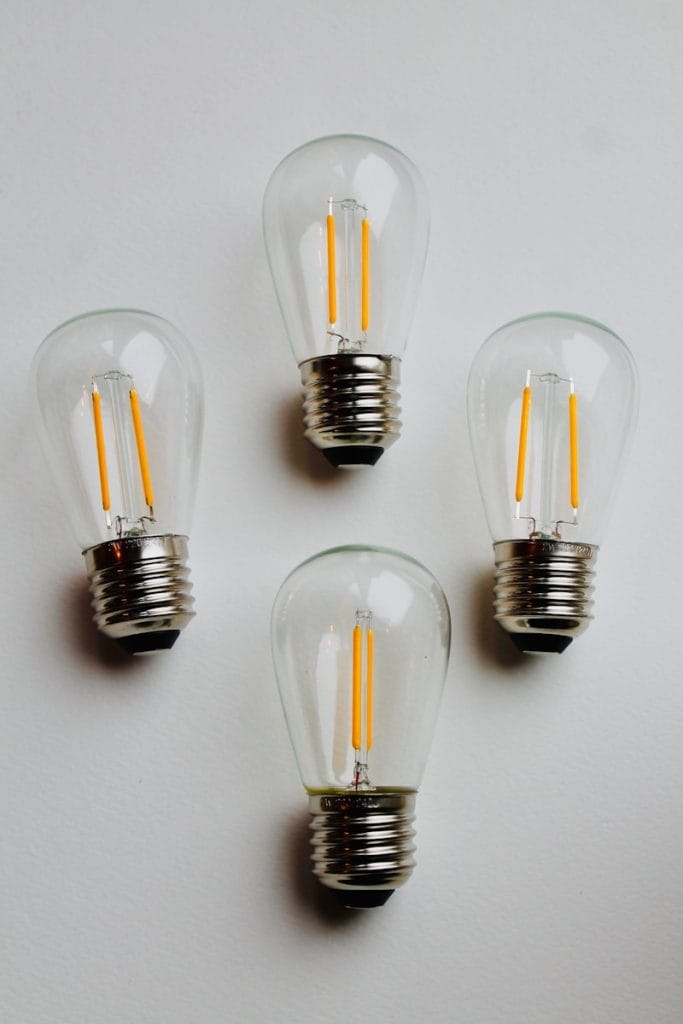
mood of a room.
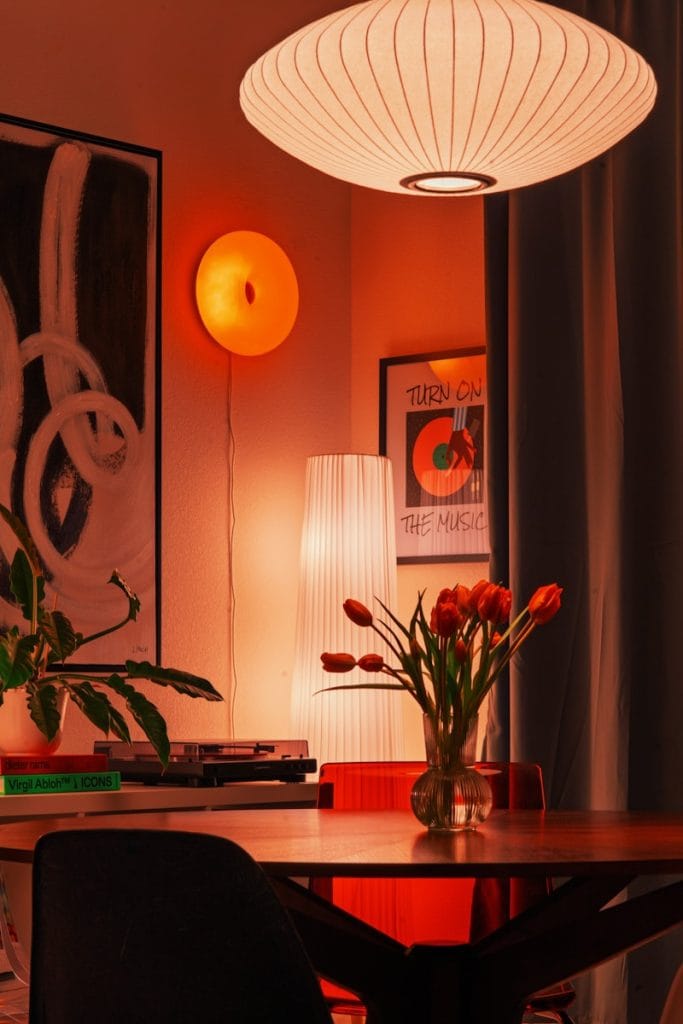
This small change often delivers the biggest payoff. The same furniture, the same layout—just a warmer glow that transforms how the room feels. Low effort, high impact.
Use Lamps and Shadows on Purpose
Winter is the season of long shadows, and great lighting for living room design doesn’t fight them—it embraces them. Lamps placed lower in the room create gentle contrast and visual movement, allowing shadows to become part of the atmosphere. This approach adds intimacy and depth that overhead lighting alone can’t achieve.
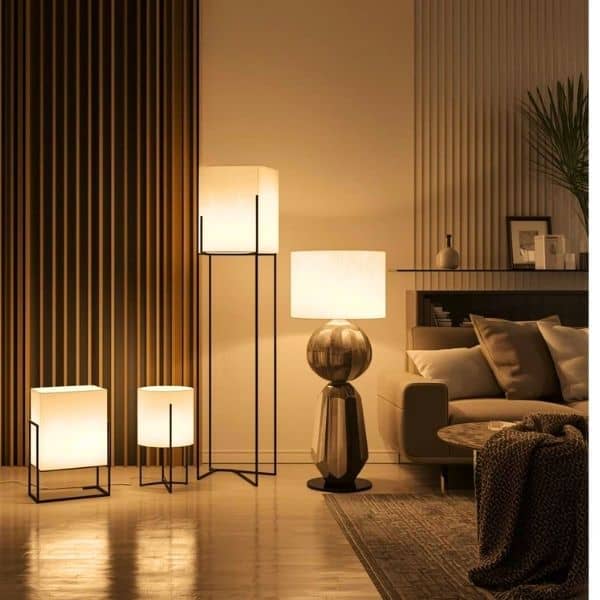
Overhead lights flatten; lamps sculpt. By allowing shadows to exist, your living room feels more dynamic, layered, and emotionally rich—perfect for winter evenings spent slowing down.
The New Evolution of Lighting Design: Light as a Material
The new evolution of spatial design continues to unfold, becoming more abstract and emotionally driven. And lighting is no stranger to this concept. Rather than relying on overt motifs, today’s interiors use lighting design to create glow and movement. Iridescent finishes, reflective surfaces, and sculptural lighting allow light to interact with the living room in subtle, ever-changing ways.
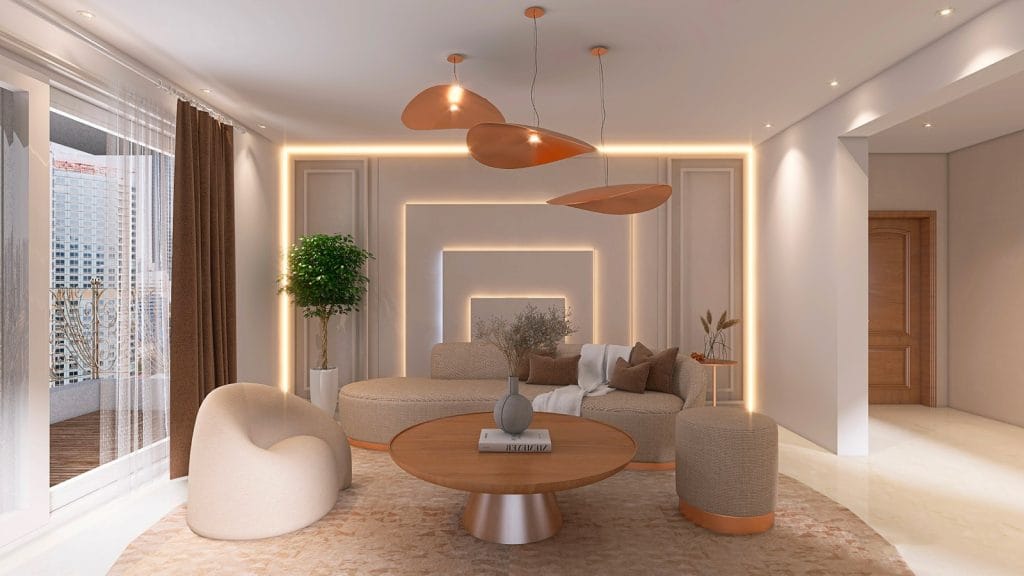
In this approach, light is treated as a material in its own right. It reflects off metallic accents, diffuses through glass and fabric, and shifts throughout the day as natural and artificial light overlap. This layered glow brings softness and sophistication to winter interiors.
Sculptural fixtures are especially impactful in lighting for living room spaces. They act as functional art—never loud, never overpowering—but quietly shaping how the room feels. In winter, this kind of lighting adds interest without visual clutter.
Lighting for Living Room Design as a Winter Mood Booster
Lighting has a direct emotional effect, whether we consciously notice it or not. Dimmer, warmer, layered lighting encourages rest and calm, while cooler, brighter light energizes. It’s counterintuitive, but in the winter, most living rooms benefit from dialing back intensity and leaning into ambient glow instead.

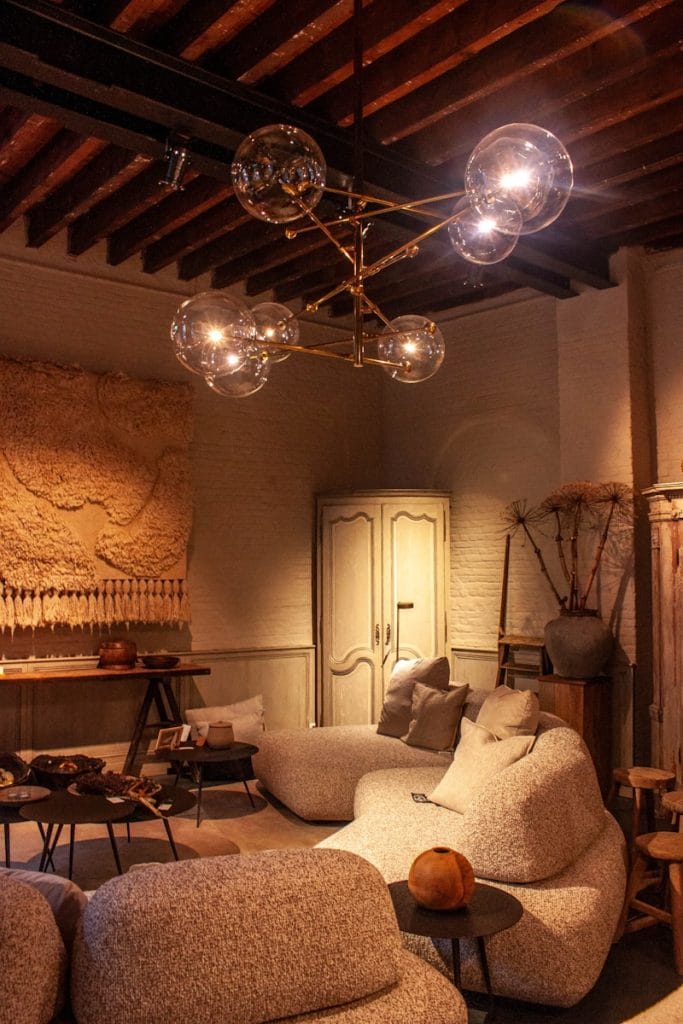
This doesn’t mean your living room should feel dark—it should feel intentional. Using dimmers, lamps, and reflective surfaces allows light to move gently through the space rather than hitting everything at once. That movement is what creates mood.
As winter settles in, think of lighting for the living room as your seasonal reset. A few thoughtful choices can completely change how your space feels at night—turning darker evenings into something cozy, atmospheric, and deeply inviting. When lighting is done right, winter becomes less about darkness and more about glow.